Making Room for a Book You Actually Want to Read
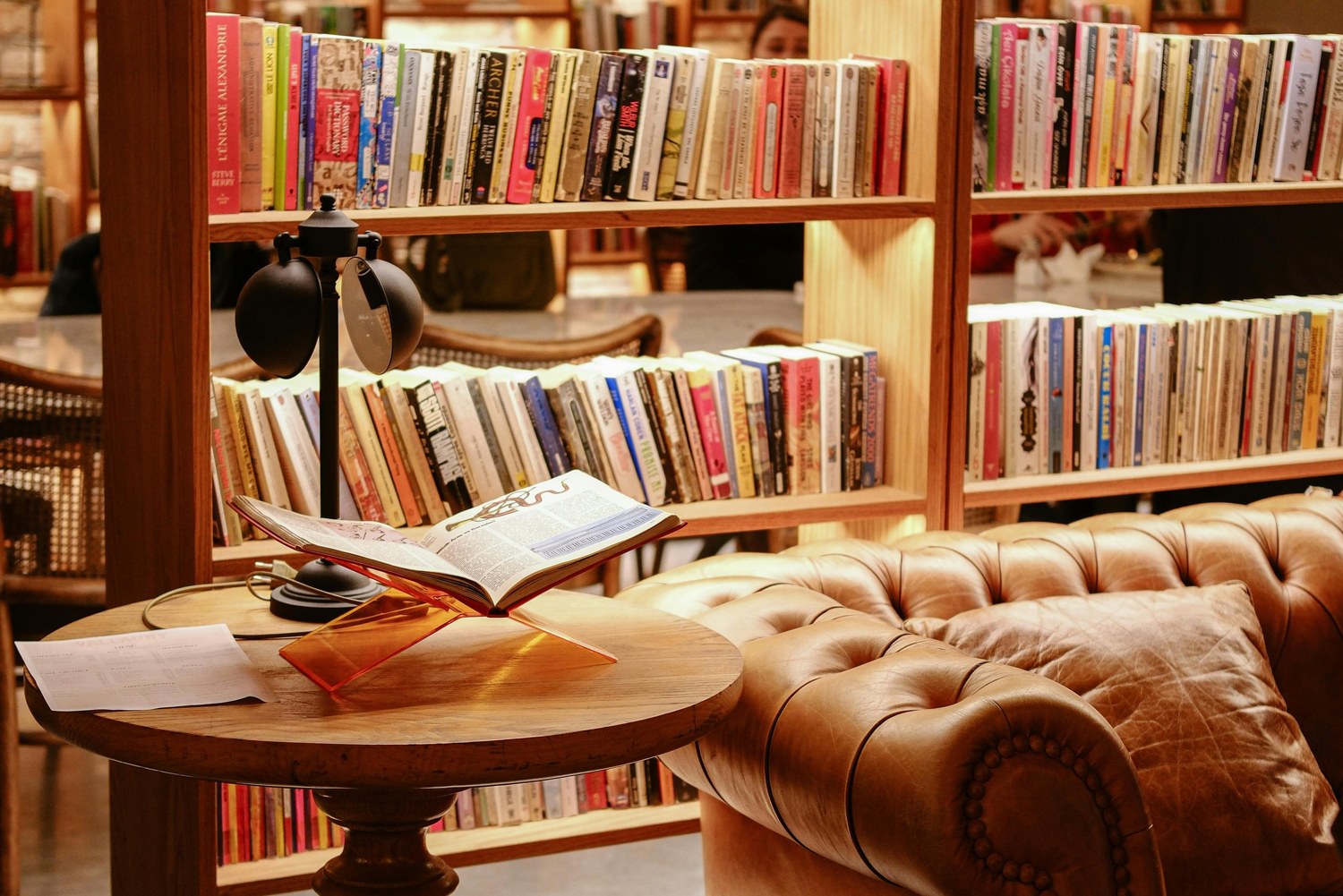
A reading corner does not begin with a new armchair. It begins with a book you want to open and somewhere you can sit without repeatedly shifting your position. The rest is a matter of removing small inconveniences. If the lamp is too far away, the cup has nowhere to stand, or the book disappears beneath a stack of papers, even an attractive corner may go unused.
Try the seat you already have before buying anything. Sit there with a book for a few pages. Notice whether your feet rest comfortably, whether the page is easy to see, and whether there is room to change position. A folded blanket or a small cushion may be enough to make an existing chair more inviting.
The light should serve the page
Window light changes throughout the day. A chair that works beautifully in the morning may feel dim by late afternoon. Place a lamp where it illuminates the page without shining directly into your eyes. Glossy books can reflect a bright bulb, so move the light slightly to one side and see whether the reflection disappears.
Think about how the corner feels at the time you actually read. A photograph taken at noon says little about an evening spent with a novel. Keep the switch within easy reach, and avoid running a cable across a walking route simply to achieve a pleasing arrangement.
A small shelf is enough
There is a difference between storing a collection and choosing your next book. The corner only needs the volume you are reading and perhaps one alternative. A whole stack of unfinished books can make a quiet pastime feel like a queue of obligations. Keep the larger collection elsewhere if space allows.
Choose the alternative for a different kind of attention. A novel might sit beside a book of photographs, essays, or short stories. On an evening when a long chapter feels demanding, a few pages of something else still offer a reason to sit down. A bookmark helps more than a complicated tracking system.
A little side table should have enough space for the open book and whatever you like to drink. If there is no room for a table, a stable nearby shelf can do the job. Leave a safe distance between the drink and the pages, particularly with borrowed books or illustrated editions you want to keep in good condition.
There is no rule that says this space must be silent, perfectly styled, or used every day. It might share a room with a busy kitchen, or become a guest seat when friends visit. What matters is how easily you can return to it.
Once the practical details are settled, stop arranging. Open the book at the marked page. The corner has done its job when you forget about the furniture and begin following the next sentence.