What to Notice in a Handmade Cup
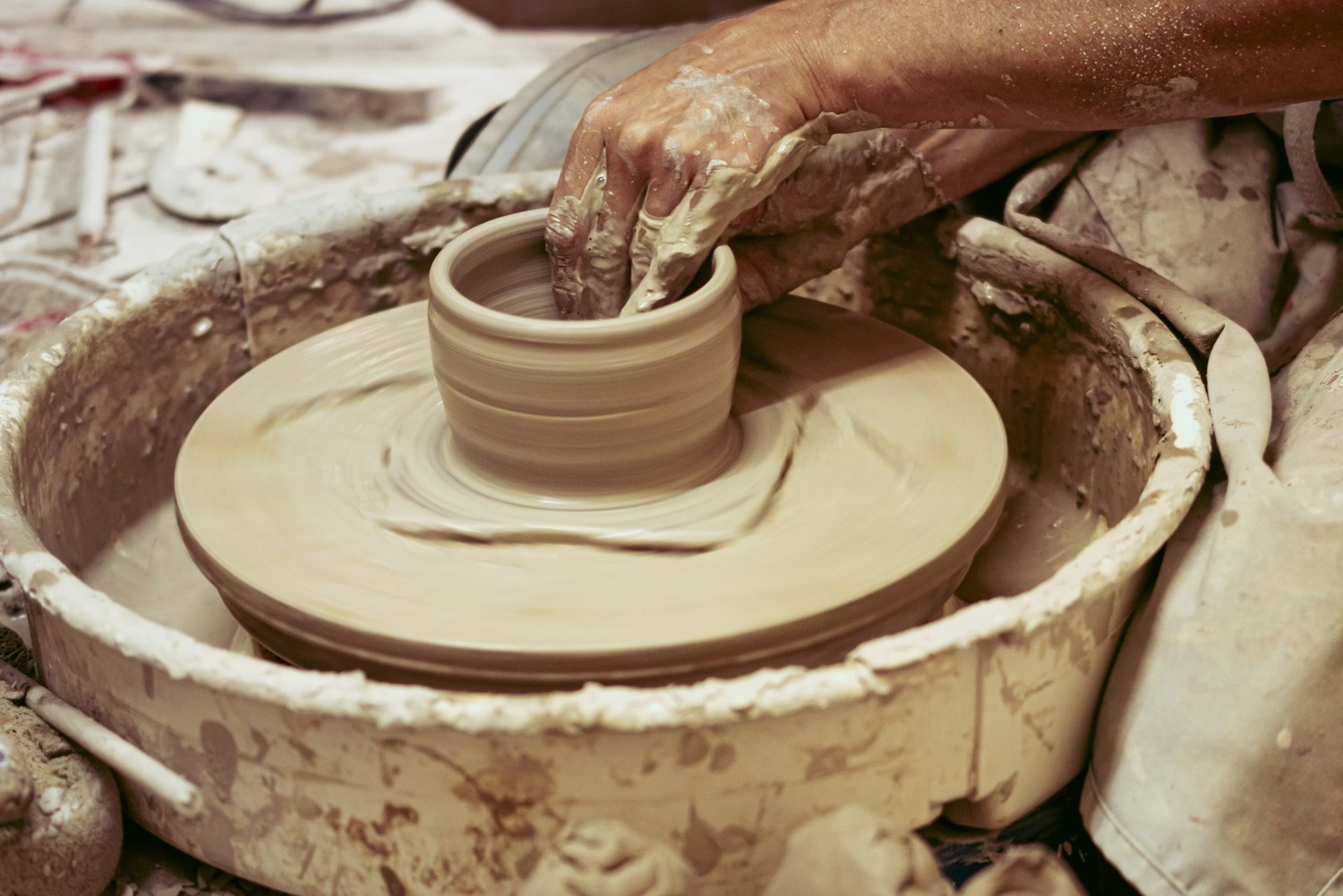
On a pottery shelf, colour tends to make the first introduction. A blue glaze catches the light, a pale surface looks almost like stone, or a warm brown cup seems to belong beside the kettle. But the qualities that make a cup enjoyable often reveal themselves only when you pick it up. Its balance, rim, and handle matter as much as its appearance.
Handmade ceramics vary from piece to piece. A slight change in the curve of a wall or the position of a handle can make two cups from the same batch feel quite different. That variation is a reason to look closely, rather than an invitation to overlook anything that makes a piece uncomfortable or unsuitable for everyday use.
Begin with the shape
If the maker or shop allows handling, lift the cup with one hand and then hold it as you normally would when drinking. Notice the empty weight, remembering that liquid will add more. A large cup with thick walls may look wonderfully generous but feel heavier than you expect once filled.
Try the handle without forcing your fingers into an awkward position. Some people prefer room for two fingers; others like a smaller loop with a thumb resting on top. There is no single correct shape. The useful question is whether the cup feels secure in your own hand.
Look at the rim from the side. A thick, rounded lip and a thin, gently flared edge create different experiences. You can often learn more from this small detail than from an elaborate decorative pattern. Set the cup down on a flat surface, too, and check that it rests steadily.
The surface tells another story
Glaze may gather more deeply in a groove, becoming darker where it pools. A ridged wall can show the movement of making, while an unglazed foot reveals the colour and texture of the clay beneath. These details make a piece interesting from several angles, even when its overall shape is simple.
Ask the maker about the intended use and care of the piece. Decorative ceramics are not automatically intended for drinks. For a cup you plan to use regularly, confirm that it is suitable for food contact and ask whether it can go in a dishwasher or microwave. Follow the instructions for that particular piece rather than assuming all pottery behaves alike.
Let the collection grow slowly
A cupboard does not need a complete matching set to feel considered. One everyday cup, another reserved for a longer weekend drink, and a few pieces for visitors can develop naturally over time. Repeating a similar size or a small range of colours can give mixed pieces a quiet connection.
Leave enough space between fragile handles when storing them, and avoid stacking shapes that do not sit comfortably together. Most of all, use the pieces you enjoy. A cup becomes familiar through repeated mornings at the table, not merely through being admired on a shelf.